




What is TPE Material?
TPE (thermoplastic elastomer) is a class of polymer material that combines the advantages of rubber and thermoplastics. TPE material has the flexibility and elasticity of rubber but can be processed like thermoplastics through conventional processing methods such as injection molding, extrusion, blow molding, etc.
TPE material is a mixture of two main components: a soft and elastic rubber phase and a hard and rigid plastic phase. The soft phase provides elasticity, while the hard phase gives TPE strength and processability. The resulting material is highly customizable, with properties such as hardness, flexibility and elasticity that can be adjusted to specific needs.
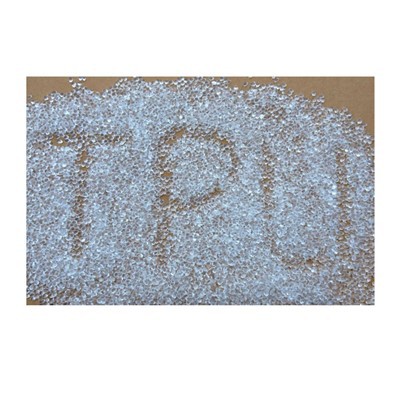
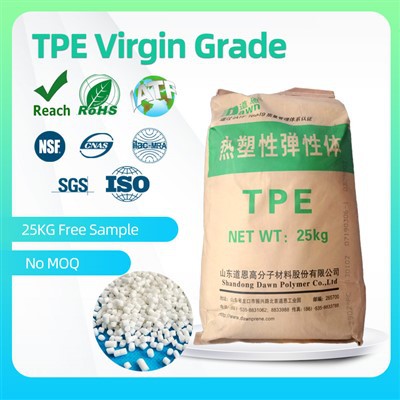
Key Benefits of TPE Material
Flexibility and durability
One of the outstanding features of TPE material is its excellent flexibility. It can recover its original shape without losing structure during continuous stretching and contraction, making it very suitable for applications that require long-term pressure and movement. In addition, TPE material also has strong resistance to wear and deformation, ensuring longer service life and better performance.
Recyclability
TPE material is fully recyclable, which is an important environmental advantage. As demand for sustainable solutions increases across industries, the recyclability of TPE provides a more environmentally friendly option, replacing many difficult-to-recycle materials such as thermoset rubber. This reduces waste generation and promotes the development of a circular economy.
Easy Processing
TPE material can be processed using conventional thermoplastic processing methods such as injection molding, extrusion, blow molding, etc. These methods are widely used and manufacturers have a good understanding of these technologies, making TPE material a cost-effective material for large-scale production. The simplicity of the processing also improves production efficiency and precision.
Chemical Resistance
TPE material has excellent resistance to oils, greases and many chemicals, making it an ideal choice for industries such as automotive and medical, where materials are often exposed to harsh chemical environments. TPE's chemical resistance ensures that the material is not easily damaged during use, reducing the need for frequent replacement.
Common Applications of TPE Materials
Automotive industry
TPE material is used to produce interior parts such as seals, gaskets, window seals, dashboards, etc. It can provide excellent temperature resistance, UV resistance and chemical resistance, and adapt to the harsh interior environment of the car.
Medical equipment
TPE material is widely used in the production of flexible medical parts such as catheters, seals and flexible pipes. TPE meets strict biocompatibility requirements and provides high performance and safety.
Consumer electronics
TPE material is used to produce flexible parts in consumer electronics products, such as buttons, handles, housings, etc. Its excellent flexibility and wear resistance are very suitable for the use requirements of electronic devices.
Packaging industry
TPE material is also commonly used in packaging applications, including protective materials and seals for bottles, containers and packaging films.
Toys and sporting goods
TPE material is widely used in the production of toys and sporting goods due to their non-toxicity, flexibility and durability.
Dawn Group's TPE Solutions
Dawn Group is committed to providing high-quality TPE solutions to meet the needs of multiple industries. We also provide customized TPE formulations to ensure that they meet the specific needs of our customers.
Contact us now to learn more about our TPE material and discover how we can help meet your business needs.